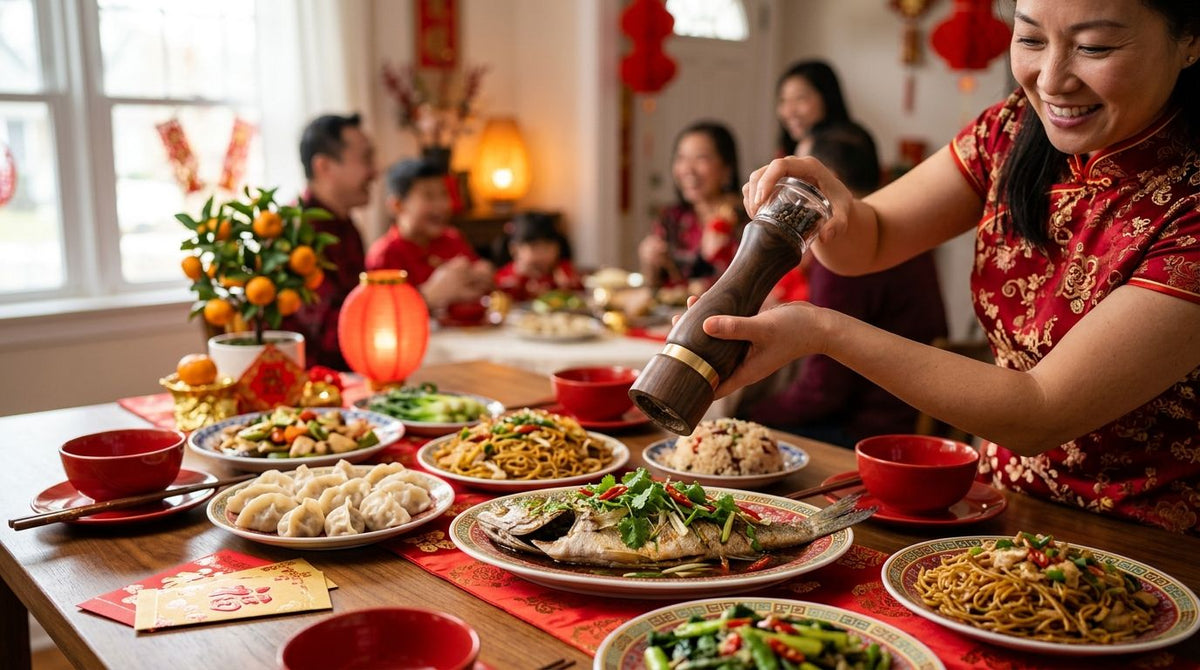


A creamy peppercorn risotto recipe comes down to three things: Arborio rice cooked low and slow in hot stock, a steady hand with the ladle, and pepper cracked fresh at the very end instead of shaken from a pre-ground jar. Skip the fresh-crack step and you lose the sharp, slightly citrusy bite that makes peppercorn risotto taste like a restaurant dish instead of plain buttered rice.
- This peppercorn risotto recipe uses Arborio rice, hot stock, and freshly cracked pepper for a creamy dinner in 2026.
- Freshly ground black pepper from a pepper mill beats pre-ground pepper for aroma and heat in this dish.
- Stir constantly and add stock one ladle at a time — rushing the process is the top reason risotto turns gluey.
- Parmesan and butter go in off the heat, right before the pepper, to keep the sauce silky, not greasy.
Why this matters
Risotto has almost no ingredients to hide behind: rice, stock, cheese, butter, and pepper. That means every one of those five ingredients has to pull weight, and pepper is the one home cooks shortcut most often.
Pre-ground pepper starts losing its volatile oils the moment it's milled, so a jar that's been sitting in the pantry since last year adds almost no aroma to the dish. Cracking peppercorns straight from a PepperMate pepper mill over the finished risotto keeps that oil intact until the second it hits the hot rice, which is where the flavor actually blooms.
How to Make Creamy Peppercorn Risotto
This peppercorn risotto recipe serves four as a main course or six as a side, and takes about 35 minutes start to finish.
Ingredients:
- 1.5 cups Arborio rice
- 4 cups chicken or vegetable stock, kept hot on the back burner
- 1/2 cup dry white wine
- 1 small onion, finely diced
- 3 tablespoons butter, divided
- 2/3 cup grated Parmesan
- Whole black peppercorns, cracked fresh
- Salt to taste
Using whole black peppercorns instead of a shaker jar is what separates a flat risotto from one that tastes like it came out of an Italian kitchen in 2026.
- Heat the stock in a saucepan and keep it at a low simmer the entire time you cook the rice.
- Melt 1 tablespoon of butter in a wide, heavy pot over medium heat and soften the onion for 3-4 minutes.
- Add the rice and toast it for 90 seconds, stirring until the edges look translucent.
- Pour in the wine and stir until it's fully absorbed.
- Add hot stock one ladle at a time, stirring often, waiting for each addition to absorb before adding the next. This takes 18-20 minutes.
- Once the rice is creamy but still has a slight bite at the center, pull the pot off the heat.
- Stir in the remaining butter and the Parmesan until glossy.
- Crack fresh black pepper over the top, 8-10 cranks per serving, and stir once more before plating.
The verdict: a peppercorn risotto recipe built on fresh-cracked pepper and hot stock added slowly beats any shortcut version, and it's the version worth repeating for guests.
Why your risotto turns out different every time
Same recipe, different results — usually one of these is the culprit:
- Cold stock added to the pot. Cold liquid shocks the rice and stalls the starch release that makes risotto creamy.
- Stirring too little or too much. Too little and the rice sticks; nonstop aggressive stirring can break the grains and turn the dish pasty.
- Pre-ground pepper instead of fresh. Ground pepper that's been open for months adds heat but almost no aroma.
- Wrong rice. Long-grain rice doesn't release enough starch; Arborio or Carnaroli are built for this dish.
- Cheese added over direct heat. Parmesan added while the pot is still on the burner can turn grainy instead of melting smooth.
- Rushing the ladle. Dumping all the stock in at once instead of gradually is the single biggest reason risotto turns soupy rather than creamy.
For a related grind technique, the restaurant-style carbonara grind guide covers the same fresh-cracked principle applied to pasta instead of rice.
Can you use pre-ground pepper instead of whole peppercorns?
You can, but the risotto will taste noticeably flatter because pre-ground pepper loses most of its aromatic oils within weeks of milling. Whole peppercorns cracked fresh at the table release those oils on contact with the hot dish, which is why most 2026 recipe developers specify fresh-cracked pepper by name rather than "black pepper" generically.
What's the best rice for a creamy peppercorn risotto?
Arborio rice is the standard choice because its high starch content is what makes the sauce creamy without adding cream. Carnaroli holds its shape slightly better under long cooking and is the pick for anyone who's had risotto turn mushy before.
How do you keep risotto from turning gluey or soupy?
Gluey risotto almost always means the stock went in too fast or the rice was stirred too aggressively, breaking down the grains before they finished cooking. Soupy risotto is the opposite problem — pulling the pot off heat before enough liquid has absorbed. Aim for a texture that spreads slowly on a plate rather than holding a stiff mound or running like soup.
FAQ
What's the best peppercorn risotto recipe for beginners?
A basic Arborio rice, hot stock, butter, Parmesan, and fresh-cracked pepper version is the easiest entry point because it has no advanced techniques beyond patient stirring. Skip mushroom or seafood additions until the base technique is consistent.
Is fresh-ground pepper better than pre-ground pepper for risotto?
Yes, fresh-ground pepper is better because it retains the volatile oils that give risotto its aroma, while pre-ground pepper loses most of that within weeks of milling. Crack it directly over the finished dish for the strongest effect.
How much stock do you need for peppercorn risotto?
Plan on roughly 4 cups of hot stock for every 1.5 cups of Arborio rice, added gradually over 18-20 minutes. Keep extra stock warm in case the rice needs a bit more liquid to finish.
Can you make peppercorn risotto ahead of time?
Risotto is best made fresh because the creamy texture firms up as it cools and doesn't reheat the same way. If you must prep ahead, undercook the rice slightly and finish it with a splash of hot stock right before serving.
Do you need a pepper mill for this recipe, or will a pre-ground jar work?
A pepper mill produces noticeably more aroma than a pre-ground jar because the peppercorns are cracked seconds before they hit the dish. Any home cook making peppercorn risotto regularly benefits from keeping a mill on the counter instead of buying pre-ground pepper.
What cheese pairs best with peppercorn risotto?
Parmesan is the standard pairing because its salt and umami balance the heat from fresh-cracked pepper without overpowering it. A small amount of Pecorino Romano stirred in alongside the Parmesan adds extra sharpness for anyone who wants more bite.
Why does my risotto taste bland even with pepper added?
Bland risotto usually means the stock wasn't seasoned enough before it went into the pot, not that more pepper is needed. Taste the stock on its own first, then add pepper at the end as a finishing layer rather than a fix for underseasoned liquid.
One last thing
The technique Italian cooks call mantecatura — beating in butter and cheese off the heat, then letting the pot rest covered for a minute before serving — is the step most home versions of this peppercorn risotto recipe skip, and it's the difference between rice that's merely cooked and rice that's actually creamy. Crack the pepper after that rest, not before, so the aroma hits the plate instead of dissolving into the pot.