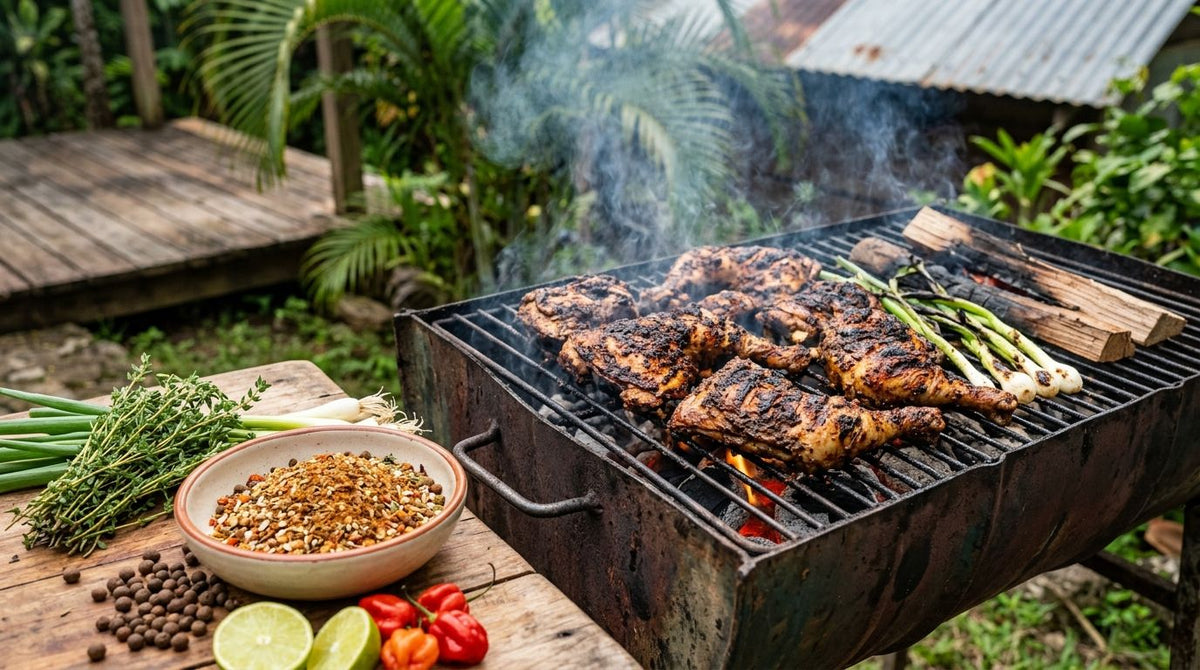


Ras el hanout for Moroccan tagines and stews is a warm, layered spice blend built to season slow-cooked lamb, chicken, and vegetable tagines with restaurant-depth flavor in one jar instead of a dozen. Home cooks tackling tagines and stews need something that survives a two-hour braise without turning bitter or flat, which rules out a lot of the thin, filler-heavy blends sitting on supermarket shelves in 2026.
- Ras el hanout blends warm spices like cinnamon, ginger, and cumin for tagines and stews in 2026.
- PepperMate's Ras El Hanout of Morocco skips the 10-spice DIY blend and goes straight into the pot.
- Toast the blend for 30-60 seconds before adding liquid to wake up the essential oils.
- Store ras el hanout in a sealed jar away from heat; it loses potency within about 6 months open.
- Fresh-cracked black pepper from a real pepper mill sharpens a tagine more than pre-ground pepper does.
Why ras el hanout matters for tagine and stew cooks
A tagine lives or dies on the base spice layer because the dish simmers low and slow for an hour or more, giving weak or stale spice plenty of time to fade into nothing. Home cooks searching for ras el hanout aren't looking for a garnish spice — they're looking for the backbone of the dish, the thing that turns browned lamb shoulder and onions into something that tastes like it came out of a Marrakech kitchen.
That's a different job than a rub you sprinkle on before grilling. Ras el hanout for tagines and stews has to hold its character through braising, which means the blend needs real cinnamon, ginger, cumin, and warm florals like rose petal, not a cheap paprika filler stretched thin with salt.
Build a tagine-worthy spice routine
Learn what's actually in the blend
"Ras el hanout" translates loosely to "head of the shop" — historically the best spices a merchant had on hand. There's no single fixed recipe, but most versions built for tagines and stews lean on the same core:
- Cinnamon and allspice for sweetness that balances long-cooked meat
- Cumin and coriander for the earthy backbone
- Ginger and turmeric for warmth and color
- Black or white pepper for bite
- Rose petal or cardamom in fuller versions, for floral lift
Knowing the components lets you taste a blend and tell fast if it's thin or full-bodied before it ever hits the pot.
Toast the spices before they hit the pot
Ground spice blends lose most of their punch if they go into a cold pot with cold stock. Toasting in the dry pan or in the fat after browning the meat wakes the oils back up.
- Add the ras el hanout to the pan after the meat and onions have browned, not before
- Toast for 30-60 seconds, stirring constantly, until it smells fragrant, not scorched
- Deglaze immediately after with stock, water, or tomato so the spice doesn't burn
- Skip this step for pre-made pastes or marinades where the spice already cooked into an oil base
Layer it in at the right cooking stage
Most home cooks dump the entire measured amount in at once and never adjust. A tagine benefits from two additions instead of one.
- Add roughly two-thirds of the ras el hanout at the browning stage
- Reserve the rest to stir in during the last 15 minutes of cooking for a brighter top note
- Taste before the reserved portion goes in — some batches run stronger than others
- Add a pinch more only if the sauce still tastes flat after reducing
Grind fresh pepper into your blend for depth
Most commercial ras el hanout blends use pre-ground pepper because it's cheaper to manufacture at scale, and pre-ground pepper loses aromatic oil within weeks of grinding. Cracking your own black pepper straight into the pot on top of the blend fixes that gap without changing the recipe.
- Keep a traditional pepper mill next to the stove for a fresh crack over the tagine right before serving
- Use whole black peppercorns instead of pre-ground pepper anywhere the recipe calls for extra heat
- Grind coarser for stews where you want visible pepper flecks in the sauce
- Save the fine pre-ground pepper in the blend for the base layer, and finish with fresh-cracked for contrast
Balance it with aromatics, not more spice
When a tagine tastes flat, the instinct is to add more ras el hanout. Usually the fix is fresh aromatics, not more of the dry blend.
- Add fresh garlic and ginger alongside the spice, not as a substitute for it
- Stir in preserved lemon near the end for the acidity Moroccan stews rely on
- Finish with fresh cilantro or parsley off the heat — dried herbs won't cut through a rich braise
- Add a spoon of honey or dried apricot if the dish needs sweetness rather than more spice
Store it so it doesn't go flat
Ras el hanout is a ground blend, which means it oxidizes faster than whole spices. A jar left over the stove loses noticeable strength within months.
- Store in an airtight jar away from heat and direct light
- Keep it out of the cabinet directly above the stove — heat cycles degrade ground spice fast
- Buy smaller amounts more often instead of one large jar that sits for a year
- Smell-test before cooking; if it smells dusty instead of warm and fragrant, it's past its prime
Adjust the ratio for lamb, chicken, and vegetable tagines
The same jar of ras el hanout doesn't work identically across proteins. Lamb can carry a heavier hand; chicken and vegetables need restraint.
- Use a fuller measure for lamb and beef, since the fat carries and mellows the spice
- Cut the amount by roughly a third for chicken tagines so the spice doesn't overwhelm the lighter meat
- Go lightest on vegetable tagines, adding a second small pinch near the end if the vegetables absorb too much
- Pair fish tagines with a milder hand and lean on fresh herbs to round it out
Comparing your ras el hanout options
| Option | Best for | Key limitation | Verdict |
|---|---|---|---|
| Build your own blend from raw spices | Cooks who already stock 8-10 spice jars and want full control | Takes real prep time and several jars you may not restock often | Hold |
| Grab a generic supermarket blend | Weeknight cooks who need something tonight | Often filler-heavy on paprika, thin on real cardamom or rose | Skip for tagines |
| Order from a Moroccan souk or specialty importer | Purists chasing one exact regional profile | Shipping time and blend quality can vary batch to batch | Hold |
| PepperMate's Ras El Hanout of Morocco | Home cooks who want a tagine-ready blend without assembling a spice cabinet | Still benefits from fresh-cracked pepper added at the finish | Buy |
Ras el hanout for tagines and stews works best when the blend does the heavy lifting and fresh pepper finishes the job — that combination is what separates a flat weeknight stew from one that tastes like it simmered all afternoon in Fes.
Common mistakes tagine and stew cooks make
- Dumping the whole jar in cold — spice added before browning and toasting never wakes up its oils
- Treating ras el hanout like garam masala or baharat — they overlap but aren't interchangeable 1:1, and swapping them changes the dish's whole character
- Storing the jar over the stove — the heat that makes it convenient to grab is the same heat that flattens it within a few months
- Skipping the fresh pepper finish — pre-ground pepper baked into a two-hour braise loses most of its bite by the time the dish is done
- Adding more spice instead of more acid — a flat tagine almost always needs preserved lemon, not another spoonful of the blend
FAQ
What is ras el hanout made of?
Ras el hanout is a North African spice blend typically built from cinnamon, cumin, coriander, ginger, turmeric, and black pepper, with fuller versions adding rose petal or cardamom. There's no single fixed recipe, which is why blends vary by maker.
Is ras el hanout the same as garam masala?
No, they share some warm spices but are not interchangeable in a 1:1 swap. Garam masala leans heavier on cardamom and clove for Indian cooking, while ras el hanout is built for North African tagines and stews.
How much ras el hanout do you use in a tagine?
Most tagine recipes call for 1 to 2 tablespoons per pound of meat, added in two stages: most at browning, the rest near the end of cooking. Start light and taste before adding more, since blends vary in strength.
Does ras el hanout go bad?
Yes, ground spice blends lose potency within about 6 months once opened, faster if stored near heat. A dusty smell instead of a warm, fragrant one is the sign it's time to replace the jar.
Can you use ras el hanout in a stew instead of a tagine?
Yes, the blend works the same way in any slow-braised stew, not just a clay-pot tagine. Toast it after browning the meat and finish with fresh herbs the same way you would in a traditional tagine.
What meat pairs best with ras el hanout?
Lamb and beef carry the fullest measure of ras el hanout because their fat mellows the spice over a long braise. Chicken and vegetable tagines need a lighter hand, roughly a third less spice.
Should you toast ras el hanout before cooking?
Yes, toasting the blend for 30 to 60 seconds in the pan after browning the meat wakes up the essential oils before liquid goes in. Skipping this step leaves the finished stew tasting duller than it should.
One last thing
The detail most home cooks skip: the pepper in a ras el hanout blend is almost always pre-ground for shelf stability, and pre-ground pepper is the fastest component to go flat in the jar. A crack of fresh pepper over the finished tagine right before serving does more for the final flavor than doubling the spice measure — it's a five-second habit that separates a good tagine from a forgettable one in 2026.