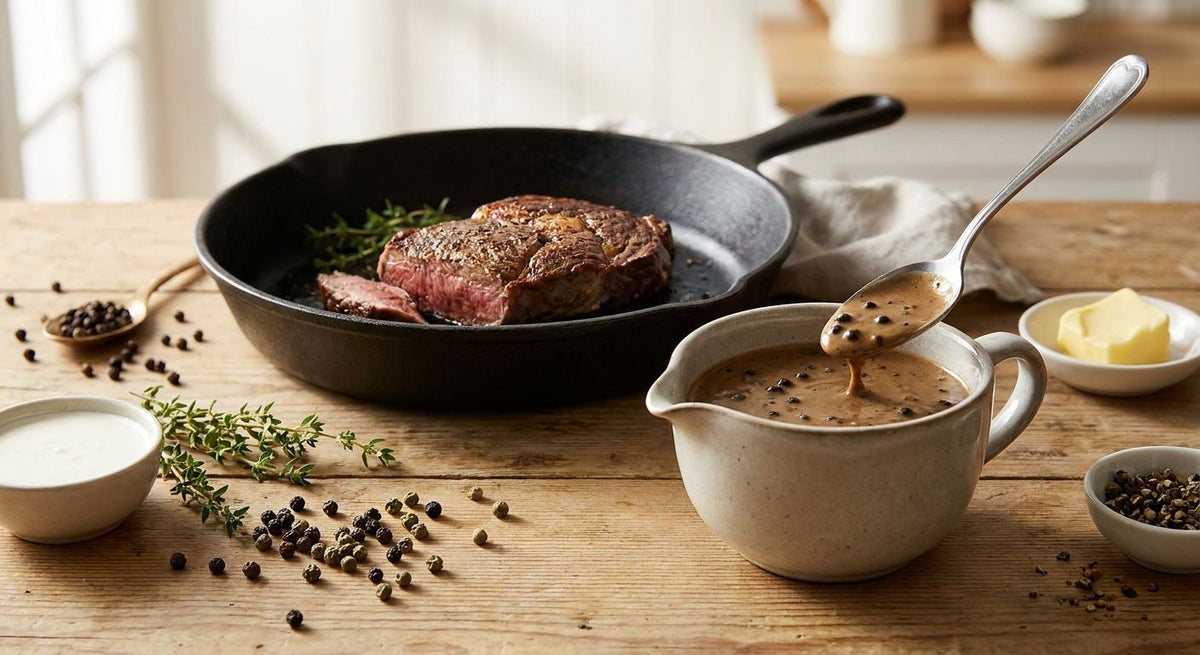


Restaurant-style carbonara gets its signature bite from coarsely cracked black pepper, ground fresh right before it hits the pan — never from a pre-ground jar and never from a fine, powdery setting.
- Black pepper carbonara relies on coarsely cracked pepper, not fine-ground, milled fresh right before cooking in 2026.
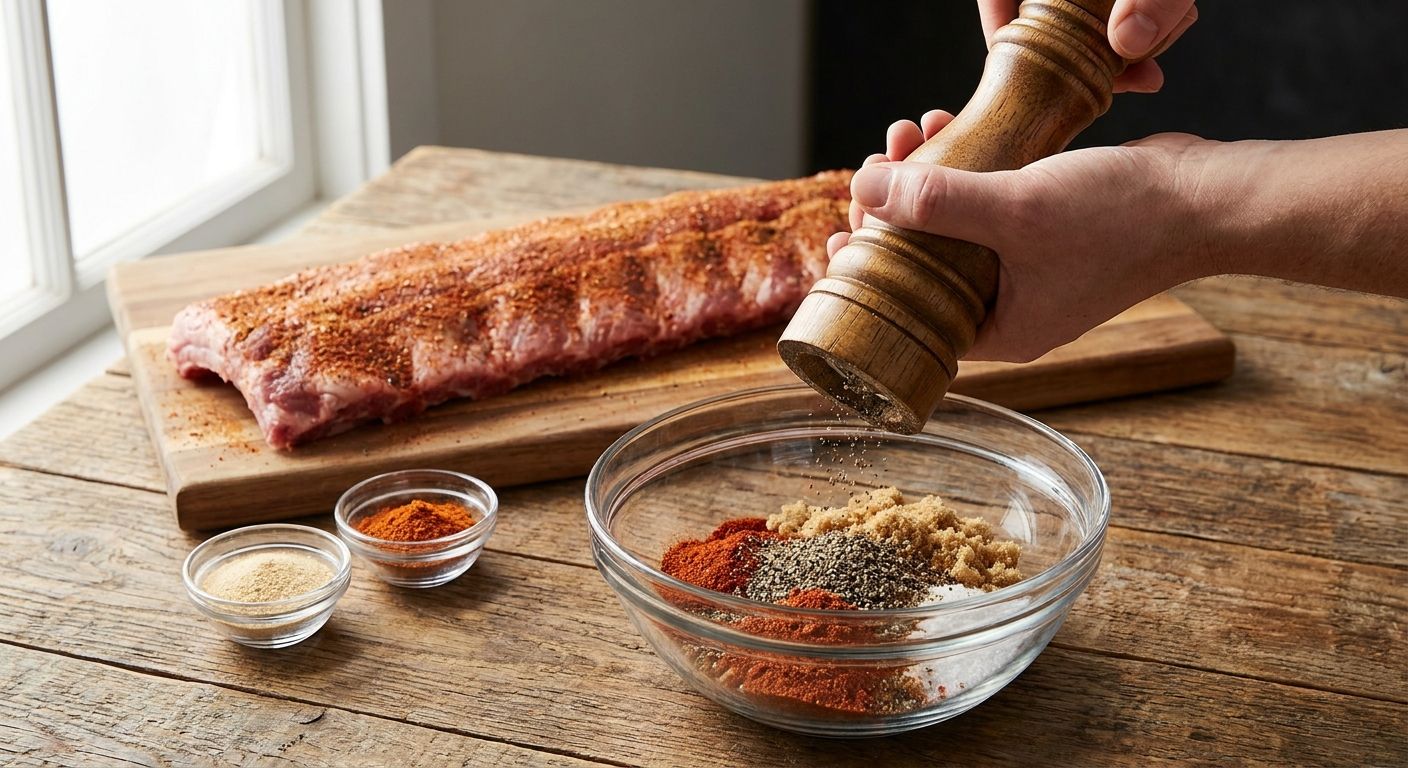
- A PepperMate Traditional Pepper Mill set to its coarsest setting matches the texture used in restaurant kitchens.
- Whole black peppercorns milled a la minute release more oil and aroma than pre-ground pepper that's been sitting for weeks.
- Toast the cracked pepper in the guanciale fat for 30-60 seconds before adding eggs to bloom the flavor.
Why this matters
Carbonara has exactly four core ingredients — eggs, guanciale, Pecorino Romano, and black pepper — so every one of them has to pull weight. Pepper isn't a garnish here; it's a structural flavor, which is why restaurant kitchens crack it coarse and mill it right at the pass instead of shaking it from a pre-ground container. Pre-ground pepper loses its volatile oils within weeks of grinding, and by the time it reaches your pantry it's already flat.
A PepperMate Traditional Pepper Mill set to a coarse grind replicates that restaurant texture at home, and it's the single easiest upgrade for anyone trying to fix a carbonara that tastes flat. The mill matters less than the habit: grind right before the pan, not hours ahead.
How to grind pepper for restaurant-style carbonara
- Start with whole peppercorns, not pre-ground pepper. Whole corns hold their oils until the moment they're cracked, which is the entire point of milling fresh.
- Set the mill to its coarsest grind. Restaurant carbonara uses visibly cracked, textured pepper — fine dust disappears into the sauce and does nothing for bite or aroma.
- Grind directly over the pan after the guanciale renders, while the fat is still hot. Toasting cracked pepper in warm fat for 30 to 60 seconds blooms its aromatics the way toasting a spice does.
- Reserve a second grind for the finished plate. One pass goes into the pan, a second pass goes on top right before serving so the aroma hits you before the fork does.
- Taste and adjust in small increments. Traditional carbonara recipes lean generous with pepper — often a full teaspoon or more of coarsely cracked pepper per two servings — because the eggs and cheese mute spice more than you'd expect.
| Approach | Grind size | Best for |
|---|---|---|
| Pre-ground pepper (shaker) | Fine, inconsistent | Quick weeknight pasta, not restaurant results — Skip |
| Pepper mill, medium setting | Medium | Everyday cooking, soups, dressings — Hold |
| Pepper mill, coarse setting | Coarse, visible flecks | Restaurant-style black pepper carbonara — Buy |
Coarse setting: the restaurant standard
The coarse setting is what separates a carbonara that tastes like a restaurant dish from one that tastes like buttered noodles with a dusting on top. Coarse pepper holds its shape as it cooks, so you get pockets of sharp heat instead of an even, muted seasoning throughout the sauce. If your mill only has one adjustable dial, turn it as far toward coarse as it goes for this dish specifically — you can always dial back for eggs or salad dressing later.
Why pepper grind size varies for carbonara
- Mill mechanism — ceramic grinders hold their edge on hard peppercorns longer than metal ones, which matters when you're cracking a coarse grind repeatedly.
- Peppercorn freshness — whole peppercorns lose potency in storage, which is why a fresh bag makes a noticeable difference over one that's been open for months.
- Regional recipe style — Roman trattorias tend toward a heavier hand with pepper than home recipes adapted for broader audiences.
- Personal heat tolerance — some cooks build up to the traditional amount gradually rather than dumping it in all at once.
- Pan temperature at grind time — grinding into cold eggs versus hot rendered fat changes how much aroma the pepper releases before it hits the plate.
The rule of thumb: if you can't see individual flecks of pepper on the finished carbonara, the grind was too fine.
“If you can't see individual flecks of pepper on the finished carbonara, the grind was too fine.”
Related questions about black pepper carbonara
What's the best pepper mill for carbonara?
A mill with a true coarse setting and a mechanism that stays consistent grind after grind works best for black pepper carbonara — a wobbly or inconsistent mill produces uneven texture in a dish with only four ingredients to hide behind. Look for one you can hold steady with one hand over a hot pan, since you'll be grinding directly over the guanciale.
How much black pepper goes into restaurant-style carbonara?
Traditional recipes call for roughly a teaspoon or more of coarsely cracked black pepper per two servings, split between what goes into the pan and what tops the finished plate. That's more than most home cooks expect, which is exactly why store-bought carbonara sauces and pre-ground pepper versions taste underseasoned by comparison.
Should I use whole peppercorns or pre-ground pepper?
Whole peppercorns milled fresh win every time for carbonara, because whole black peppercorns hold their essential oils until the moment they're cracked. Pre-ground pepper from a shaker has usually been sitting for weeks or months, and the aromatic compounds that make pepper sharp fade fast once the corn is broken.
Can I make carbonara without a pepper mill?
You can, using a mortar and pestle to crack peppercorns coarsely, but a mill gets you a more even, repeatable texture with less effort. If pre-ground pepper is the only option in your kitchen, a heavier hand and a fresher container will get you closer, though not identical, to the restaurant result.
Does grind size actually change how carbonara tastes?
Yes — coarse pepper releases its oils in bursts as you eat, giving distinct hits of heat, while fine-ground pepper disperses evenly and reads as background heat instead of a flavor note. Restaurant kitchens choose coarse specifically because carbonara has so few ingredients that texture contrast does real work.


FAQ
What's the best pepper for black pepper carbonara?
Whole black peppercorns cracked coarse right before cooking make the best black pepper carbonara, since pre-ground pepper loses its oils within weeks of grinding. Freshness matters more than the specific peppercorn variety.
Is coarse or fine pepper better for carbonara?
Coarse pepper is better for carbonara because it holds visible texture and releases sharp bursts of heat as you eat, while fine pepper disappears into the sauce. Restaurant kitchens set mills to their coarsest grind for this exact reason.
How much pepper should I use in carbonara for two people?
Traditional recipes call for roughly a teaspoon or more of coarsely cracked black pepper for two servings, split between the pan and the finished plate. That's heavier than most home cooks expect from a pasta dish.
Can pre-ground pepper work in a pinch?
Pre-ground pepper can work in a pinch, but it will taste flatter because its aromatic oils fade within weeks of grinding. Using more of it and adding it as late as possible helps close the gap.
When should I add the pepper in carbonara?
Add cracked pepper to the pan right after the guanciale renders, while the fat is still hot, then grind a second pass over the finished plate. Grinding into hot fat blooms the pepper's aroma before the eggs go in.
Does the type of pepper mill affect carbonara's taste?
Yes — a mill with a consistent coarse setting produces even texture across the dish, while an inconsistent mill leaves some bites over-peppered and others bland. Mechanism quality matters more in a four-ingredient dish where nothing hides.
What's the difference between restaurant-style and home-style pepper in carbonara?
Restaurant-style pepper is coarsely cracked and milled right before cooking, while home-style often relies on pre-ground pepper added early and sparingly. The gap in taste comes down to freshness and grind size, not a different pepper variety.
One last thing
Most carbonara recipes fail on pepper before they fail on eggs or cheese, because a fine, stale grind can't survive the richness of the egg-and-cheese sauce. Fix the grind first — coarse, fresh, milled right over the hot pan in 2026 kitchens the same way it's been done for generations — and the rest of the dish gets easier to get right.