

Pepper-infused olive oil comes together in 20 minutes with a quick stovetop method, or in 1 to 2 weeks if you prefer a slow cold steep — both work, but the fast version needs to go in the fridge and get used within about 4 days unless every ingredient in the jar is fully dried. The part most home cooks skip is the food-safety step: oil is a low-oxygen environment, and that's exactly the kind of place botulism-causing bacteria can grow without changing the smell, color, or taste of the oil.
- Pepper infused olive oil is ready in 20 minutes with the stovetop method or 1-2 weeks with a cold steep.
- Refrigerate homemade infused olive oil and use it within 4 days unless it's commercially acidified.
- Freshly cracked peppercorns from a pepper mill give a sharper, more citrus-forward flavor than pre-ground pepper.
- Dried peppercorns lower botulism risk but don't remove it — refrigeration is still non-negotiable in 2026 kitchens as it was before.
Why this matters
Store-bought pepper oils are formulated to sit on a shelf for months. Homemade versions aren't, and that gap is where most kitchen mistakes happen — people treat a jar of infused olive oil like it's shelf-stable the way plain olive oil is.
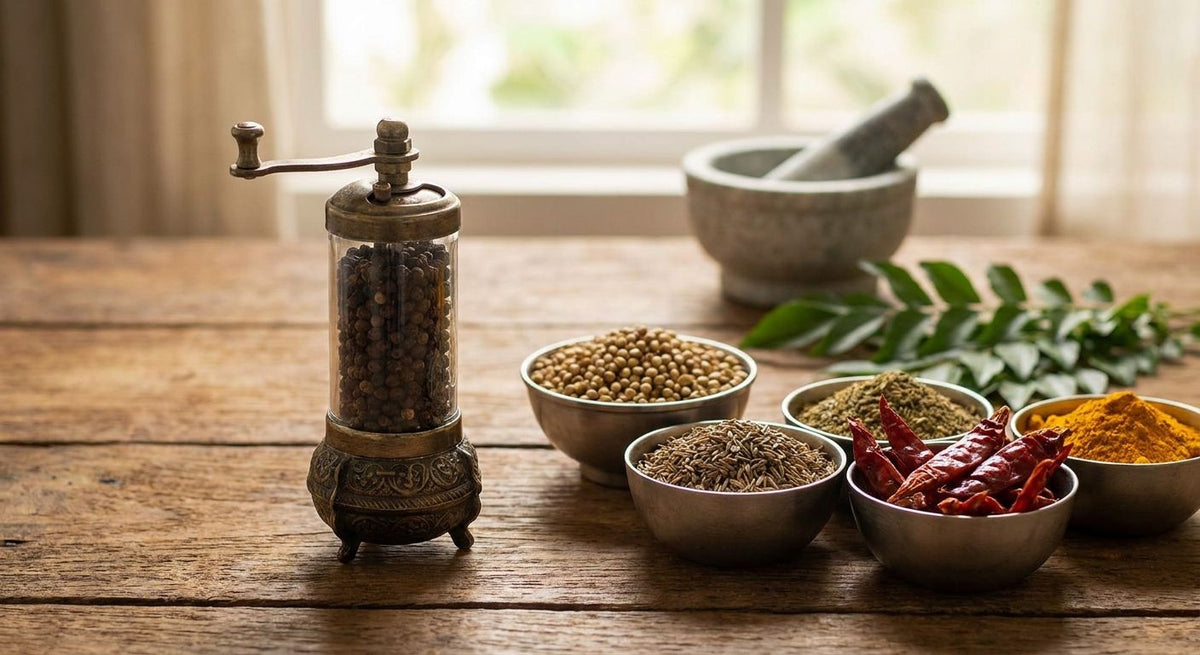
The fix isn't complicated. Cracking your own peppercorns with a PepperMate Traditional Pepper Mill instead of buying pre-ground pepper gets you a fresher, more aromatic oil, and keeping the batch small and refrigerated solves the safety question without extra equipment.
How do you make pepper-infused olive oil?
The stovetop method is the fastest, safest way to build flavor without weeks of waiting. Here's the process:
- Warm 1 cup of extra virgin olive oil in a small saucepan over low heat until it reaches about 250°F — use a thermometer if you have one, since oil that gets too hot turns bitter.
- Add 2 tablespoons of freshly cracked black peppercorns directly to the warm oil.
- Pull the pan off the heat and let it steep for 20 minutes, stirring once or twice.
- Strain the oil through a fine mesh sieve or cheesecloth into a clean glass jar, pressing the peppercorns lightly to release the last bit of flavor.
- Cool completely, then refrigerate. Label the jar with the date so you know when the 4-day window closes.
| Method | Time | Flavor profile | Best for |
|---|---|---|---|
| Stovetop | 20 minutes | Bold, slightly toasted | Same-week use, gifts |
| Cold steep | 1-2 weeks | Milder, more herbal | Batches you're patient about |
Stovetop method: ready in 20 minutes
This is the method most home cooks reach for because it's done before dinner's ready. Heating the peppercorns briefly draws out their oils faster than a cold steep, which is why the flavor lands bolder and slightly toasted. Verdict: best for anyone who wants pepper oil today, not next week.
Cold-steep method: ready in 1 to 2 weeks
Combine the same 1 cup of oil and 2 tablespoons of cracked peppercorns in a jar, seal it, and let it sit in a cool, dark cabinet for 1 to 2 weeks, shaking it every couple of days. No heat means a gentler, more herbal flavor, but the wait is real and the same refrigeration rule applies once you strain it. Verdict: best for cooks who plan a week or two ahead and want a milder finish.
Why homemade pepper oil turns unsafe or rancid
A handful of variables decide whether your batch stays good for days or turns into a food-safety risk:
- Moisture in the peppercorns — whole dried peppercorns carry very little water, which lowers (but doesn't eliminate) bacterial growth risk compared to fresh herbs or garlic.
- Storage temperature — room temperature is the enemy; refrigeration below 40°F is what actually slows bacterial activity.
- Container choice — glass jars with a tight seal hold up better than plastic, which can absorb odors and degrade with oil contact over time.
- Oil type — extra virgin olive oil oxidizes faster than refined oils once heated, which is part of why the 4-day window exists.
- Light exposure — a clear jar on a sunny counter accelerates rancidity even inside the safe storage window.
- Mixed ingredients — adding fresh garlic, citrus peel, or fresh herbs to the same jar changes the safety math entirely and shortens shelf life further.
“If the oil smells sour or the peppercorns look cloudy, throw the batch out — infused oil isn't worth the food-safety gamble.”


How long does pepper-infused olive oil last?
Pepper-infused olive oil lasts about 4 days refrigerated when made with fresh oil and dried peppercorns and no other fresh ingredients added. Anything with fresh garlic, citrus zest, or herbs mixed in should be treated the same way or discarded even sooner, since those ingredients carry more moisture and higher contamination risk. Freezing the oil in small portions extends usable life if you don't plan to finish the jar in a few days.
Can you use dried peppercorns instead of whole ones for infusing oil?
Whole dried peppercorns are the standard choice because their low moisture content makes them lower-risk than fresh add-ins, and cracking them just before infusing releases more aroma than using pre-ground pepper. Buying whole black peppercorns and cracking them yourself, rather than starting from a pre-ground jar that's already lost its volatile oils, is the difference most people notice in the final flavor.
Is homemade pepper-infused olive oil safe to store at room temperature?
No — homemade pepper-infused olive oil should always go in the refrigerator, not the counter, because oil creates a low-oxygen environment where Clostridium botulinum can grow without any visible change in the oil's smell or appearance. Commercial infused oils get around this with acidification or preservatives that a home kitchen doesn't replicate, which is exactly why the 4-day refrigerated window matters more than it sounds like it should.
FAQ
What's the best oil for infusing with pepper?
Extra virgin olive oil is the standard choice for pepper-infused olive oil because its flavor holds up to the peppercorn's heat without turning bitter. A lighter olive oil works too if you want the pepper flavor to lead.
How much pepper do you use per cup of olive oil?
Use about 2 tablespoons of freshly cracked peppercorns per 1 cup of olive oil for a balanced, noticeable pepper flavor. Add more if you're using the oil as a finishing oil rather than a cooking oil.
Can you infuse olive oil with pepper without heating it?
Yes, the cold-steep method skips heat entirely and takes 1 to 2 weeks to develop flavor. It produces a milder result than the 20-minute stovetop method but carries the same refrigeration rules once strained.
Is pepper-infused olive oil the same as pepper oil from the store?
No, store-bought pepper oil is typically acidified or preserved for a longer shelf life than anything made at home. Homemade versions need refrigeration and should be used within about 4 days for safety.
Can you use pepper-infused olive oil for cooking, not just finishing?
Yes, it works for sauteing, roasting, and salad dressings, though high heat can dull some of the pepper aroma. Many cooks reserve it as a finishing oil over soups, pasta, or bread to keep the flavor sharp.
How do you know if infused olive oil has gone bad?
Cloudy oil, an off or sour smell, or any bubbling in the jar means the batch should be discarded immediately. Because botulism risk isn't always visible, when in doubt within the 4-day window, throw it out.
Do you need a pepper mill to make pepper-infused olive oil?
A pepper mill isn't required, but cracking whole peppercorns fresh produces a more aromatic oil than starting with pre-ground pepper that's already lost its volatile oils. A basic pepper mill handles the job in a few turns.
Can you reuse the peppercorns after straining the oil?
Once peppercorns have given up their oils during infusion, they're mostly spent and won't add much flavor to a second batch. Compost them or discard rather than reusing for another infusion.
One last thing
The detail most recipes leave out: commercial infused oils pass food-safety testing that home kitchens simply can't replicate, which is why the FDA and food-safety guidance around home-infused oils lean so hard on refrigeration and short use windows rather than trying to make them shelf-stable. Make small batches — a single cup of oil at a time — track the date on the jar, and you'll get all the flavor with none of the guesswork. If you're grinding your own peppercorns for the first time, a mill that produces a consistent, coarse crack makes the infusion faster and more even than pepper straight from a pre-ground shaker.