

Pepper mill for soup shoppers need one thing above all: a mill that lays down a coarse, even grind straight into a simmering pot without clogging from steam or slipping in a wet hand. Soup and stew cooking is different from seasoning a salad or a steak — you're grinding over rising steam, stirring with one hand, and often adding pepper in stages over a two-hour simmer instead of one quick pass.
- The PepperMate Traditional Pepper Mill wins for soup and stew cooks who need one-handed pumping over a hot pot.
- A coarse grind setting holds up better in broth than fine pepper, which turns muddy and sinks.
- Pre-ground pepper loses aromatic oils fast during a long simmer — grind in stages instead.
- A $2.99 replacement tray or top keeps an older mill working instead of replacing the whole unit.
- Store peppercorns away from stovetop steam or the mill clogs mid-cook in 2026 kitchens just as it did a decade ago.
Why pepper mill choice matters for soup and stew cooking
Soup and stew recipes simmer for 30 minutes to several hours, which means the pepper you add early has time to lose its punch and the pepper you add late needs to bloom fast. Pre-ground pepper from a shaker starts losing its aromatic oils the moment it's milled, so by the time it hits a simmering pot it's already flatter than fresh. A pepper mill for soup work needs to deliver a fresh, coarse grind on demand, not a pre-measured dose that's been sitting in a tin.
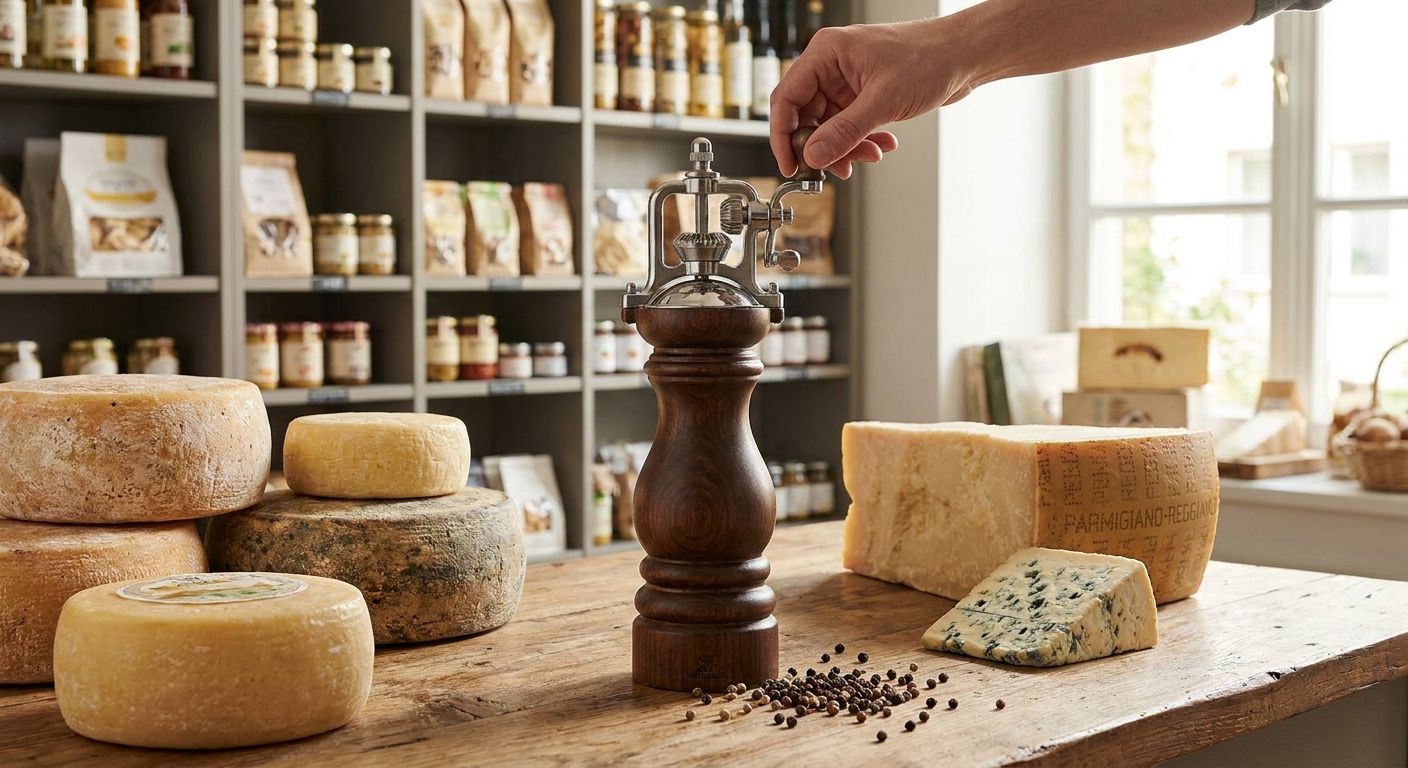
The kitchen conditions matter too. You're standing over steam, one hand on a wooden spoon, the other trying to twist or crank a mill without dropping it into the pot. A mill that requires two hands to operate is a bad match for this job. The PepperMate Traditional Pepper Mill uses a one-handed pump action specifically because stovetop cooks need to keep stirring while they season.
How to pick and use a pepper mill for soup and stew
Choose a coarse grind setting for broth work
Fine pepper dust dissolves into broth and turns the liquid cloudy without adding much visible texture or bite. Coarse pepper holds its shape, distributes through the pot, and gives you a flake you can see and taste in the final bowl.
- Set the mill's coarseness dial to its widest setting before you start a stew
- Test-grind onto a spoon first to confirm the flake size before seasoning the whole pot
- Reserve the finest setting for garnishing a finished bowl, not for the base simmer
- Avoid pepper labeled "table grind" for stew work — it's built for shakers, not mills
Pick a mill built for one-handed pumping over the pot
Twist-top mills need two hands and steady wrists, which doesn't work well when you're leaning over a pot of simmering stew. A pump-action mill lets you grind with a closed fist while your other hand stays on the spoon.
- Look for a pump or push-top mechanism instead of a twist grip
- Check that the mill has a wide base so it won't tip near a hot burner
- Confirm the grind chamber holds enough peppercorns for a full cooking session, not just a few turns
- Test the mill empty before buying if you can — a stiff pump mechanism gets worse, not better, over years of use
Match the mill material to a humid stovetop environment
Steam and splatter are constant near a soup pot, and some materials handle that better than others over 2026's typical multi-year kitchen lifespan.
- Acrylic and hard plastic housings wipe clean and resist warping from steam exposure
- Wood mills need occasional oiling if they sit near a stovetop regularly
- Stainless steel resists staining from tomato-based stews and broths
- Avoid mills with exposed metal springs near the grind chamber — steam corrodes them faster than the sealed mechanisms
Season stews in stages, not all at once
Grinding all your pepper into a stew at the start wastes flavor, since long simmering cooks off some of the aromatic punch fresh pepper delivers.
- Grind a light pass early for base seasoning
- Grind again 15-20 minutes before serving to layer in fresh aroma
- Finish with a last grind at the table so the first bite carries full pepper flavor
- Taste between grinds instead of guessing at total pepper needed upfront
Store peppercorns near the stove without losing freshness
Peppercorns absorb moisture from a humid kitchen, and a mill left open near a steaming pot clogs faster than one stored properly between uses. Storing peppercorns for maximum freshness matters more for soup cooks than for anyone else in the kitchen, simply because the mill sits closer to steam more often.
- Keep the mill's cap or lid closed between grinding sessions
- Store backup peppercorns in a sealed container away from the stovetop
- Refill the mill in small batches rather than topping it off constantly
- Wipe the exterior dry after a steamy cooking session before storing it
Clean grind residue and steam buildup regularly
A mill that sits near simmering pots collects moisture and pepper dust on the exterior threads, which slows the grind mechanism over time.
- Wipe the mill body with a dry cloth after each cooking session
- Check the grind mechanism monthly for caked residue near the mill's outlet
- Replace worn parts instead of the whole unit when a mill starts sticking — a replacement tray runs $2.99 and solves most base-clogging issues
- Never submerge a wood or acrylic mill body in water
Upgrade to a mill built specifically for daily soup and stew use
Once the manual habits are in place, the mill itself becomes the limiting factor if it's a cheap twist-top that jams under daily use. A dedicated soup-kitchen mill pays off fastest for cooks who make stock, chili, or stew weekly rather than occasionally.
- Choose a mill rated for one-handed operation if you cook solo and stir often
- Pick a bundle that pairs salt and pepper mills if your stews need both seasonings at the stove
- Confirm replacement parts are available before buying, since a mill you can't repair gets thrown out sooner
- Prioritize a wide grind-adjustment range so the same mill handles finishing salt and coarse stew pepper


Comparing pepper mill options for soup and stew cooks
| Option | Best for | Starting price | Key limitation |
|---|---|---|---|
| PepperMate Traditional Pepper Mill | Solo cooks who stir with one hand | $39.99 | Single mill means separate salt handling |
| PepperMate salt and pepper mill bundle | Cooks who season with both at the stove | $79.99 | Two mills take more counter space |
| Disposable salt & pepper grinder | Occasional stew cooks, small kitchens | $9.99 | Not refillable once contents run out |
| Pre-ground pepper shaker | Quick weeknight seasoning only | Varies by brand | Loses aromatic oils fast, flattens flavor in long simmers |
Verdict: the PepperMate Traditional Pepper Mill is the better buy for anyone who makes soup or stew weekly, because the one-handed pump works over a hot pot where twist-top mills fall short. Buy it if you cook stovetop stews regularly. Skip the disposable grinder for anything beyond an occasional pot — it's not built for repeated refills.
Common mistakes soup and stew cooks make with pepper mills
- Grinding all the pepper in at the start. Long simmers cook off aromatic oils, so pepper added at hour zero tastes flatter by serving time than pepper added in the last 20 minutes.
- Using a fine grind for the whole pot. Fine pepper dissolves into broth and clouds it instead of giving visible, bite-sized flake.
- Grinding directly over rising steam. Moisture from the pot works its way into the mill's chamber and causes peppercorns to clump instead of feeding cleanly.
- Ignoring a sticking mechanism. A mill that's harder to pump than it used to be usually needs a $2.99 replacement top or tray, not a full replacement — most cooks throw out a working mill body over a worn part.
- Storing the mill open near the stovetop. Leaving the cap off between cooking sessions exposes peppercorns to kitchen humidity and shortens how long they stay fresh.
FAQ
What's the best pepper mill for soup and stew cooking?
A one-handed pump-action mill, like the PepperMate Traditional Pepper Mill, works best for soup and stew cooking in 2026 because it lets you grind while stirring with your other hand. Twist-top mills require two hands and are harder to control near a hot pot.
Is coarse or fine pepper better for stew?
Coarse pepper is better for stew because it holds its shape in the liquid instead of dissolving into dust that clouds the broth. Fine pepper works better for finishing a plated dish or a light garnish, not the base simmer.
When should you add pepper to a simmering soup?
Add pepper in stages: a light grind early for base seasoning, another 15-20 minutes before serving, and a final grind at the table. Long simmers cook off some of the aromatic punch, so a single early dose tastes flatter by the time the pot is done.
How much does a pepper mill cost in 2026?
A quality dedicated pepper mill runs roughly $25 to $80 depending on material and whether it's bundled with a salt mill, while disposable grinders start around $10. Replacement parts like a tray or top typically cost under $3.
Can you use pre-ground pepper in soup instead of a mill?
You can, but pre-ground pepper loses its aromatic oils faster than fresh peppercorns, so soup and stew seasoned with it tastes flatter after a long simmer. A mill grinding fresh at the point of use keeps more flavor intact through the cooking process.
Why does my pepper mill clog when I cook soup?
Steam rising from the pot adds moisture to the peppercorns inside the mill, which causes clumping in the grind chamber. Keep the mill's cap closed between grinds and wipe the exterior dry after a steamy cooking session to prevent buildup.
What's the difference between a twist-top and pump-action pepper mill?
A twist-top mill needs two hands turning in opposite directions, while a pump-action mill grinds with a single closed-fist motion. For stovetop soup and stew cooking, the pump action is easier to use one-handed while stirring.
Do I need a separate salt mill for soup cooking?
A separate salt mill isn't required, but a bundle like the PepperMate salt and pepper mill bundle saves a step for cooks who season with both at the stove regularly. Solo cooks with limited counter space can get by with a single pepper mill and a shaker for salt.
One last thing
The detail most soup cooks miss: pepper added in the last 20 minutes of a simmer tastes noticeably sharper than pepper added at the start, because the aromatic oils haven't had time to cook off. If your stew tastes flat even after a heavy hand with the mill, the fix usually isn't more pepper — it's grinding later in the process instead of earlier.