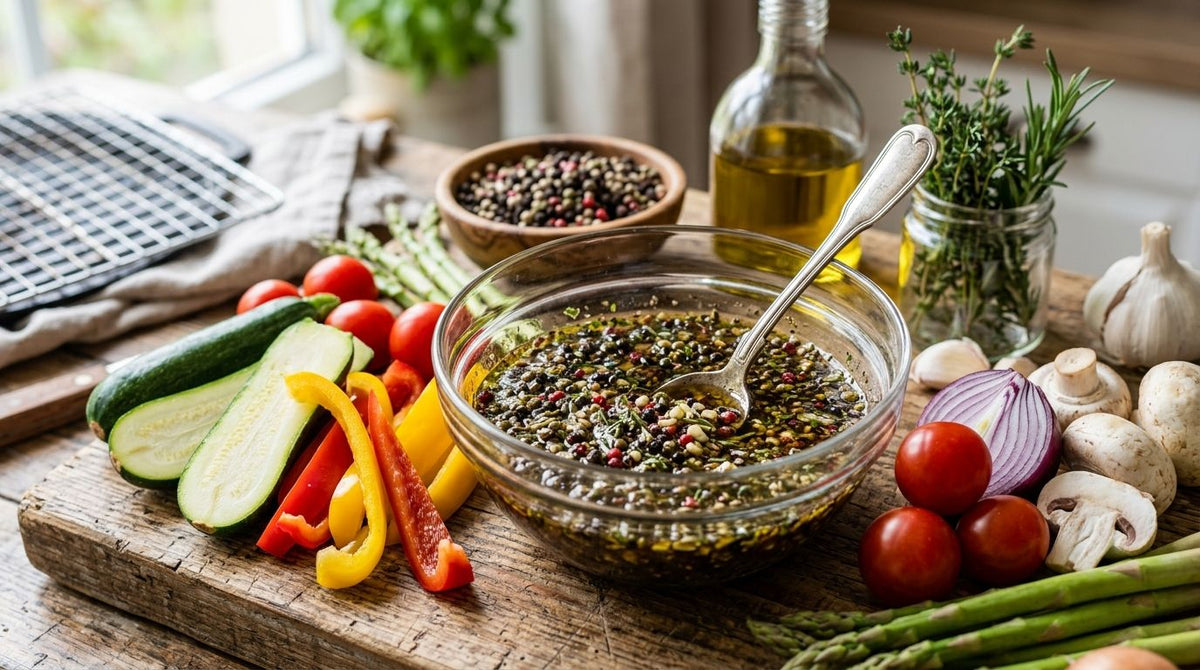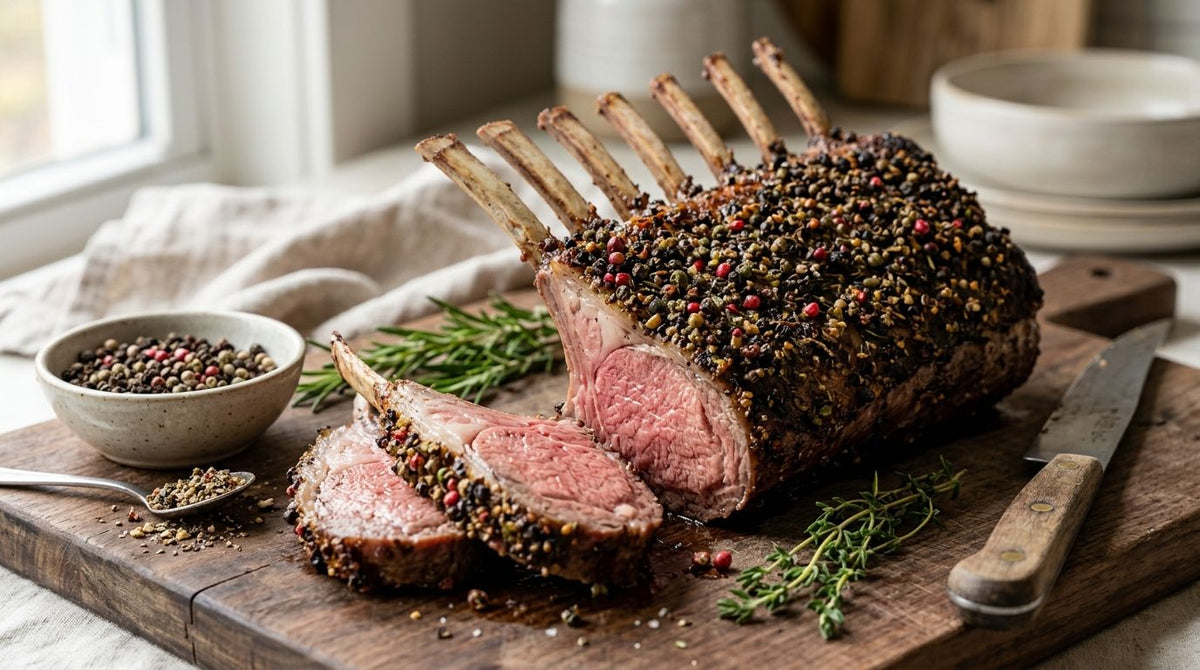


A pepper mill starter kit for new restaurants in 2026 is a small set of refillable table mills, one or two back-of-house grinders, bulk whole peppercorns, and spare tops or trays. Count covers and stations first, then buy enough mills so every two to four tables share one and the pass never runs dry. Skip cheap disposable-only setups if you plan to stay open past the first season—refillable mills keep fresh cracked pepper on every plate without constant restocking.
- Build a pepper mill starter kit for restaurants around seat count and stations, not guesswork.
- Plan 1 table mill per 2–4 covers plus 1–2 kitchen grinders in 2026.
- Stock bulk whole peppercorns and spare trays so service never stalls.
- PepperMate refillable mills suit new restaurants that want wholesale gear and easy parts.
- Disposable grinders work for pop-ups; permanent dining rooms do better with durable mills.
Why this matters
Opening a restaurant in 2026 means dozens of small tools fight for the same budget line. Pepper mills sit near the bottom of that list until the first service rush, when pre-ground shakers make steaks and pastas taste flat. Fresh cracked pepper is one of the cheapest ways to signal care on every plate. A clear pepper mill starter kit for restaurants keeps that signal consistent from soft open through the first busy quarter.
Wholesale buyers and new operators often under-buy on day one and over-buy after the first complaint. This guide gives you a fixed count method, kit variants by dining format, and a short parts list so you order once and move on.
How to build a pepper mill starter kit for new restaurants
Start with three numbers: seats (or covers), table clusters, and kitchen stations that finish dishes. Those three drive every other choice.
Step 1 — Count table mills by covers
Use one refillable mill for every two to four seats. A 40-cover room needs about 10–20 mills if you want one on every two-top and four-top without servers racing the floor. Fine dining often places a mill on every table; casual rooms share one per section. Write the number down before you look at catalogs.
Best for: full-service dining rooms that plate at the table or finish with cracked pepper tableside.
Step 2 — Add back-of-house grinders
Give the pass and the grill station one sturdy grinder each. Line cooks who finish carbonara, steaks, or roasted vegetables need a mill that holds a full load of peppercorns and stays adjustable under heat and haste. One extra mill in the prep area covers family meal and sauce work.
Best for: any kitchen that cracks pepper into pans, not only onto finished plates.
Step 3 — Stock bulk peppercorns and a simple blend
Buy whole black peppercorns in 1 lb bags so mills stay full through the week. Keep one coarse salt-pepper-garlic blend for steaks and roasted vegetables if your menu leans that way. Fresh peppercorns beat pre-ground jars on aroma; restaurants that grind to order taste sharper in 2026 reviews and guest notes.
Step 4 — Order spare tops and trays on day one
Mills break at the worst moment. A traditional pepper mill replacement tray and a spare top keep a dead mill off the table for the cost of a side dish. Put two of each spare in the dry-storage bin labeled “service mills.”
Step 5 — Match the kit to your format
| Kit type | Mill count (guide) | Best for | Watch-out |
|---|---|---|---|
| Counter / café | 4–8 table + 1 kitchen | Fast casual, coffee-adjacent food | Guests share mills; wipe daily |
| 40–60 cover bistro | 12–20 table + 2 kitchen | Neighborhood full service | Under-buying forces server trips |
| Fine dining | 1 per table + 2 kitchen | Tasting menus, tableside finish | Higher polish, same refill habit |
| Pop-up / food truck | 2–6 disposable or compact | Short runs, tight storage | Refillable wins if you repeat the site |
That table is your starter map. Adjust up if you run pepper-heavy dishes (cacio e pepe, steak au poivre, cracked-pepper salads) and down if pepper is only a tableside option.
A practical core set for many new rooms looks like this: several matching refillable mills for the floor, a salt-and-pepper pair for the pass, bulk peppercorns, and the two spare parts. PepperMate’s traditional peppermill line and the matching salt and pepper mill bundle fit that pattern for operators who want one look across the dining room and easy wholesale reorders.


Verdict sentence an opener can repeat: PepperMate traditional mills are best for new restaurants that want refillable table gear, a single visual standard, and wholesale reorders without hunting parts.
Honest limits: refillable mills need a refill routine and a dry place to store spares. Disposable grinders skip that labor but raise per-cover cost and waste if you run full weeks. Ceramic mechanisms handle hard peppercorns better than weak plastic gears; if a mill feels gritty or slips after a month, replace the mechanism or the whole unit rather than training servers to fight it.
Why a pepper mill starter kit for restaurants varies
Kit size is not one-size in 2026. These drivers change the order:
- Cover count and turn rate. More seats and faster turns mean more mills on the floor and faster peppercorn burn.
- Menu style. Pepper-forward Italian, steakhouse, and French plates need coarser crack and more kitchen grinders than a bakery café.
- Service style. Tableside finish multiplies table mills; kitchen-only finish keeps most mills on the pass.
- Storage and dish pit reality. Short shelves favor fewer, taller mills or a disposable backup bin.
- Staff habits. Teams that refill at open need fewer spares; teams that wait until empty need labeled extras.
- Wholesale vs one-off buying. Operators who can reorder matching colors keep the room looking intentional; mixed thrift finds look messy on the same two-top.
If you are also planning catering or off-site events, read the notes on pepper mills for restaurants and wholesale buyers so the same kit scales without a second brand on the table.
How many pepper mills does a 50-seat restaurant need?
A 50-seat full-service room in 2026 typically needs about 12–25 table mills plus two kitchen grinders, depending on whether mills sit on every table or every section. Start near one mill per two to four seats, add two for the pass, and keep two spares in storage. Pepper-heavy menus push you to the high end of that range on day one.
Should new restaurants use disposable or refillable pepper mills?
Refillable mills win for permanent dining rooms because they hold whole peppercorns, keep a consistent look, and cut waste after the first month. Disposable glass grinders win for pop-ups, short catering runs, and emergency backups when a refillable unit fails mid-service. Many new restaurants keep a small disposable stack next to the refillable fleet rather than choosing only one path.
What grind setting works best for table service?
Medium-coarse is the default for table service in 2026: visible crack, even melt into hot food, and less dust on white cloths than a fine powder. Kitchen stations often run one mill a step coarser for steak crusts and one medium for pasta and salads. Train one person to set all floor mills the same way at open so guests do not get a different hit at every table.
FAQ
What belongs in a pepper mill starter kit for restaurants in 2026?
A 2026 starter kit includes refillable table mills sized to covers, one or two kitchen grinders, bulk whole peppercorns, and spare tops or trays. Add a matched salt mill if you finish tableside.
How many pepper mills does a new restaurant need?
Plan one table mill per two to four seats plus one or two back-of-house grinders. A 40-cover room often lands between 10 and 20 floor mills before spares.
Is a salt and pepper mill bundle enough for opening week?
A single bundle covers the pass or one VIP table, not a full floor. Use bundles to standardize the look, then multiply table mills to match seat count.
Should restaurants buy whole peppercorns or pre-ground pepper?
Buy whole peppercorns for mills. Pre-ground pepper loses aroma fast and tastes flat next to fresh crack on steaks, pastas, and salads.
How often should restaurant pepper mills be refilled?
Check and top off at open and again before the dinner rush. High-turn rooms may need a mid-service pass on pepper-heavy nights.
Do food trucks need the same starter kit as a dining room?
No. Food trucks and pop-ups often run two to six compact or disposable grinders plus one bulk peppercorn bag. Permanent rooms need more table units and labeled spares.
What spare parts should a restaurant stock for pepper mills?
Keep spare tops and trays for every mill model on the floor. Two of each part covers most mid-service failures without stopping tables.
Are PepperMate mills suitable for wholesale restaurant orders?
Yes. PepperMate sells pepper mills and related kitchen tools with wholesale options, which fits new restaurants that want matching refillable gear and simple reorders.
One last thing
The quiet failure mode is not a broken mill—it is three mismatched thrift finds on the same four-top while the good mill sits empty in the dish pit. Label a dry bin “floor mills,” assign refill to the same opener who checks salt cellars, and treat spare trays like spare light bulbs. Guests notice fresh crack; they also notice when the mill is empty or sticky. A tight pepper mill starter kit for restaurants is one of the smallest systems you can lock down before the doors open in 2026, and it keeps paying off every time a server finishes a plate with two confident turns.